
Pogačar says doping has nearly vanished from professional cycling
Tadej Pogačar told La Gazzetta dello Sport that doping is effectively absent from the modern peloton, months after overnight anti-doping tests caused controversy at the Tour de France.
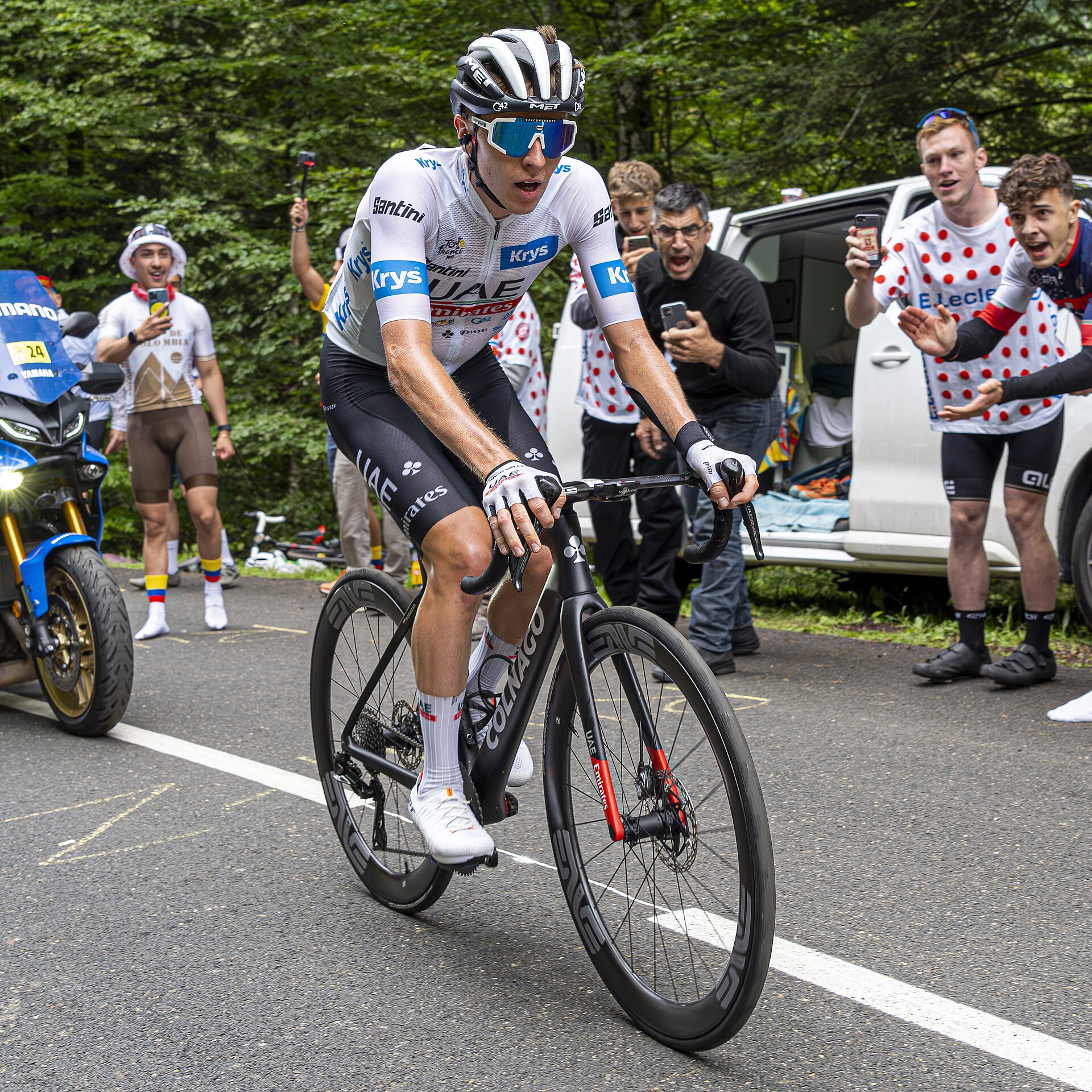
Tadej Pogačar has said he believes doping has all but disappeared from the professional peloton, dismissing the idea that it remains widespread in the sport.
The UAE Team Emirates rider made the comments to Italian newspaper La Gazzetta dello Sport, speaking at an event organised last weekend by his agency, A&J All Sports, Cyclingnews reported.
Asked about nighttime anti-doping testing, Pogačar said: "You can be certain of this for the vast majority of the peloton, doping simply doesn't exist."
The subject of overnight tests had been contentious earlier this year. Before stage 15 of the 2026 Tour de France to Plateau de Solaison, Pogačar was woken at 5am for testing, while Jonas Vingegaard of Visma-Lease a Bike, then second overall, was tested at 2am.
Vingegaard crashed later that stage and broke his collarbone, forcing him to abandon the race. The incident prompted criticism of the timing of the test, though others, including UCI president David Lappartient, defended the practice as a "tool in this fight" against doping.
Pogačar played down the episode at the time and continued in the race unaffected. Speaking now, he said riders had little incentive to cheat given the risks to their health and careers.
He said riders competed with the right mindset and knew well that banned substances could damage their health, adding that no one in the sport wanted to risk their life for it.
He acknowledged that isolated cases of doping could still occur, but argued the culture within the peloton had shifted, saying every rider he had met over the years genuinely loved the sport.
Pogačar pointed to the scale of preparation now expected of professional riders as evidence that doping made little sense, citing the dedication to nutrition, coaching and recovery that now underpins the sport.
He added that riders were also motivated by their long-term futures in the sport, warning that a single mistake could end a career - "you might end up selling ice cream, or something like that" - and said the vast majority of the peloton would never take that risk.
Photo credits
File photo (2023). Photo: Hugo LUC · CC BY-SA 4.0 · via Wikimedia Commons · shown in full here; cropped in thumbnails
