
Reusser presses Tour de France organisers on gender parity
Movistar's Marlen Reusser says the race presentation in Paris still shows an imbalance between the men's and women's Tour de France, prompting a response from women's race director Marion Rousse.
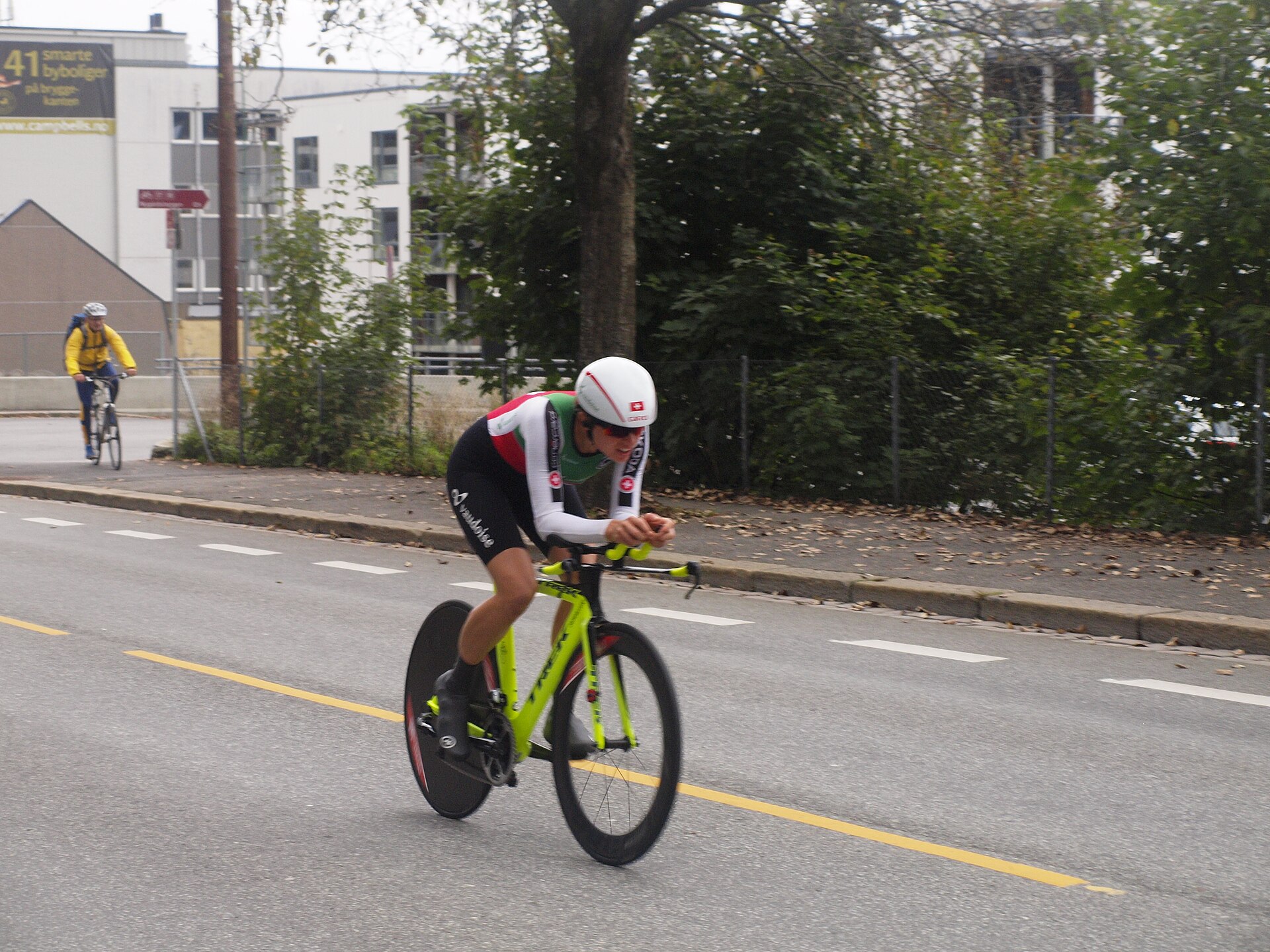
Marlen Reusser, the reigning Tour de France Femmes leader and a stage winner at this year's race, has called for cycling's authorities to go further in closing the gap between the men's and women's editions of the Tour de France.
Speaking after the 2026 route presentation in Paris, the Movistar rider told Cyclingnews she had enjoyed the event but felt the men's race still commanded more attention on stage than the women's.
Reusser questioned why the men's race is simply called the Tour de France while the women's event carries the Femmes suffix, asking: "where is the Tour de France Hommes?"
She added that the two race directors did not appear to share equal billing at the presentation. "Also like we have two nice directors, but I don't feel like it's them on the same level, it's more the men's director that is [on stage] then also having next to him the women's," she said.
Reusser said she had been struck by the atmosphere of the presentation, comparing it to her experience ahead of the Olympic Games. "The presentation was really cool... I wanted to come here to see if I get infected and I think that they managed well. It's a nice event," she said, while urging organisers to keep taking "little steps" towards equal treatment.
Tour de France Femmes director Marion Rousse responded by insisting significant progress had already been made, but warned against moving too quickly in ways that could backfire.
Rousse pointed to the shared Grand Départ in the United Kingdom as evidence of the races being brought closer together, with three days of racing for both the men and the women starting in the same country.
She argued the UK was a natural choice given recent investment in women's sport there, citing the 2025 Rugby World Cup and the Tour de Grande-Bretagne Féminin as examples.
On the pace of further change, Rousse said the women's race would keep developing alongside the wider growth of women's cycling, rather than through sudden expansion. She suggested jumping straight to 15 stages, from the nine scheduled for 2027, would be beyond some teams even if riders could handle it.
She said sponsorship and television exposure for the women's race were already established, adding that organisers had to be cautious because steps taken could not easily be reversed.
On the presentation itself, Rousse rejected the suggestion of imbalance, saying the men's event naturally took longer to present given its 21 stages compared with nine for the women. "But if not the work is exactly the same and besides we are doing the same thing, it's just there are fewer stages," she said.
Photo credits
File photo (2017). Photo: Løken · CC BY-SA 3.0 · via Wikimedia Commons · shown in full here; cropped in thumbnails
