
Pundit says 2027 Tour de France route marks shift from climbing orthodoxy
Writing for Cyclingnews, former professional Philippa York says the 2027 Tour de France, which opens in Edinburgh, favours time trials and punchy climbs over the sport's traditional high mountain showdowns.
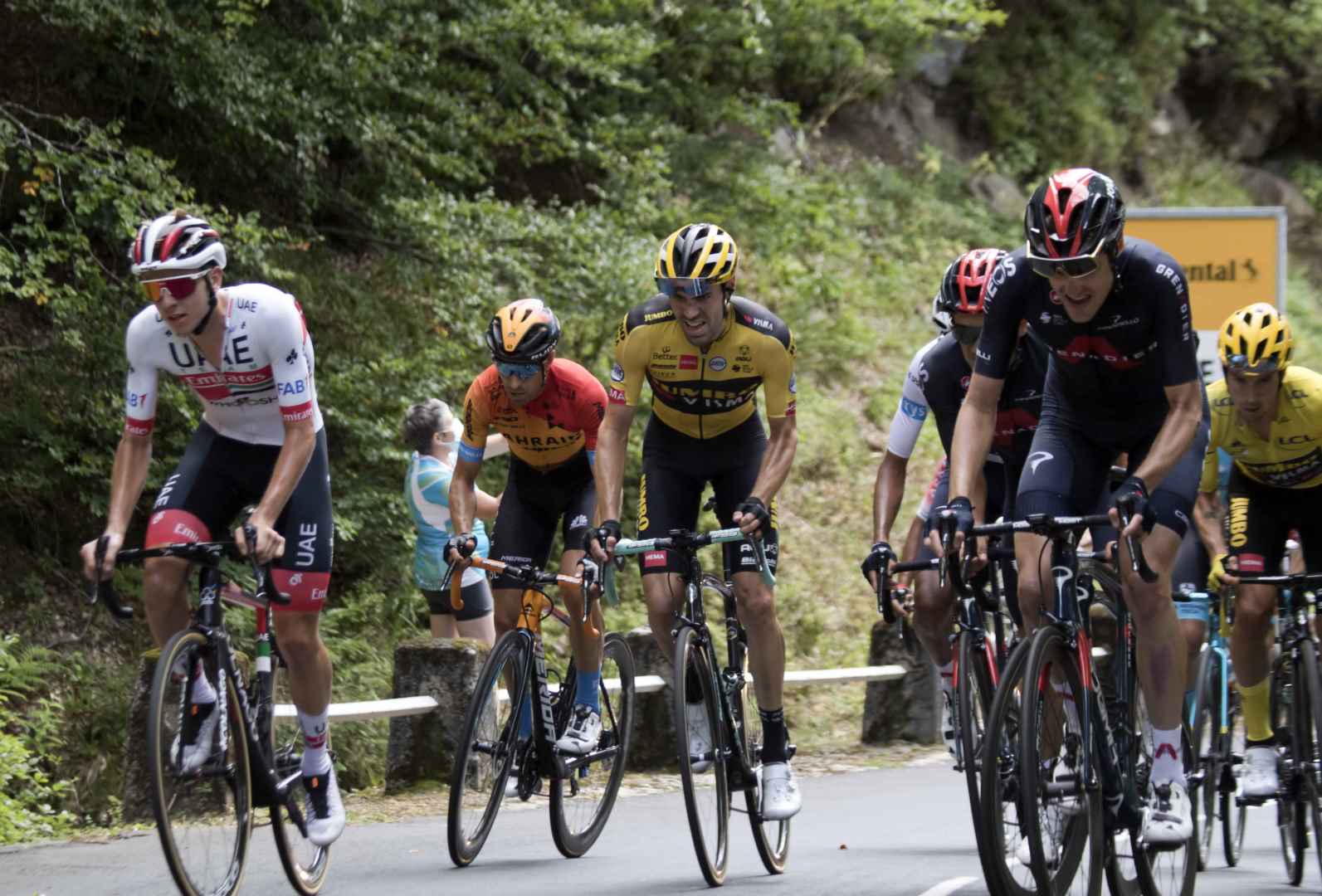
The 2027 Tour de France will start in Edinburgh, the race's most northerly Grand Départ, and feature more time-trial kilometres and fewer marquee mountain stages than recent editions, according to analysis by former professional rider Philippa York for Cyclingnews.
York writes that the route is a deliberate break from the traditional Tour template, though she is sceptical it will change who ultimately wins. She expects the race to produce different tactical puzzles and more suspense along the way regardless of the final outcome.
The opening three days in the United Kingdom carry obvious risk, in York's assessment, with longer-than-usual stages, unfamiliar road furniture and unpredictable weather raising the chance of crashes and split pelotons. General classification contenders will be focused purely on survival, she notes, while sprint teams see an early chance to seize the race lead.
Four lengthy transfers in the first half of the race, as the peloton moves east towards the Alps, will disrupt rider recovery and add to team staff workload, York writes. Stages through Normandy and Brittany are flagged as days where time can be gained but mistakes must be avoided, before the race reaches its first significant general classification test: a time trial at Blois.
The opening Alpine stage over the Grand Colombier, though lacking the sport's most iconic summits, should be long enough to create separation, according to York. A rest day is followed by back-to-back tests finishing at Sallanches and Les Saisies, including the lesser-known but tougher Bisanne climb in place of the more familiar Col de Saisies.
The race then swings south towards Valence and Montpellier, where crosswind echelons are a possibility, before a brutally steep finish on the Montée Jalabert above Mende and a draining run from Rodez to Albi to close the second week.
The final week opens with a second time trial, five kilometres shorter than the Blois test but complicated by a hill, followed by a flat stage ahead of the Pyrenees. York highlights an unusual Thursday date for the race's Pyrenean queen stage over the Soulor, Tourmalet, Ancizan and Col du Portet, with the following day's finish in Laruns featuring the Marie Blanque climb — the scene of Tadej Pogačar's first Tour stage win in 2020.
A stage that might ordinarily suit sprinters notably bypasses Bordeaux before the race concludes in Paris, blending the familiar Champs-Élysées circuit with two ascents of Montmartre.
York argues the route forces difficult choices on climbing specialists, who face 71 kilometres of time-trialling and a parcours built around short, punchy accelerations rather than the long, seated efforts of past Tours. With seven flat stages, she suggests the major general classification teams — including UAE and Red Bull — may lean more heavily on sprint units to control racing, reducing their obligations on transitional days.
Photo credits
File photo (2018). Photo: filip bossuyt · CC BY 2.0 · via Wikimedia Commons
