
Giant claims 18.4-watt saving with updated Propel aero road bike
Giant has refreshed its Propel aero frame for 2026 with a lighter full build and a claimed system-wide watt saving, which Cyclingnews examined in wind tunnel testing alongside the brand's own pedalling mannequin data.
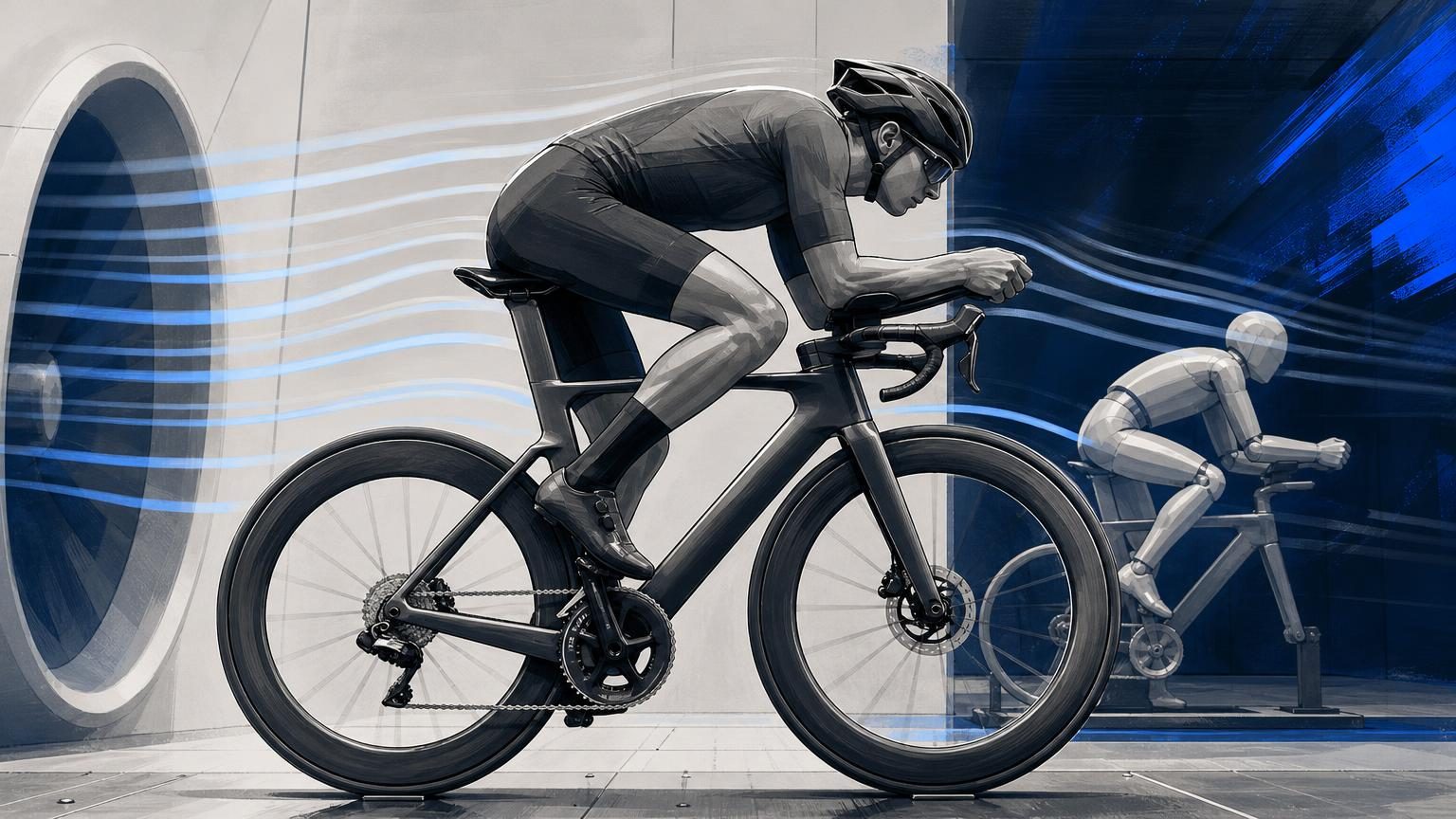
Giant has released an updated version of its Propel aero road bike for 2026 that looks almost identical to the outgoing model but, according to the brand, delivers both a lighter build and a substantial drop in aerodynamic drag.
A complete bike in a size medium is claimed to weigh 6.56kg, which sits below the UCI's 6.8kg minimum weight limit for racing, meaning buyers aiming for competition use would need to add weight elsewhere.
Giant's headline figure is an overall saving of 18.4 watts compared with the previous Propel, arrived at through what the brand describes as a full-system aero approach rather than frame changes alone.
Not all of that saving comes from aerodynamics. Cyclingnews reports that some of the improvement is attributed to reduced tyre rolling resistance, alongside aero gains from the frame itself, the new Cadex Max 50 wheels, and new aero-specific tyres.
The single largest relative contribution, however, comes from a new, narrower handlebar, with 40cm drops and 37cm hoods, designed to let riders adopt a more aerodynamic position on the bike. Since the rider accounts for most of the total drag on a bike, Giant's engineers focused heavily on this area.
To validate those claims, Giant used its own pedalling mannequin, named Grischa, built from a scan of former professional rider Grischa Niermann, who now works as a sports director at the WorldTour team Lidl-Trek. The latest version, Grischa 2.0, can also be adjusted for gravel bike testing, with Cyclingnews noting a test of the Giant Revolt is planned.
Cyclingnews carried out its own independent wind tunnel assessment of the Propel using a consistent protocol it applies across bike tests, running bike-only trials, rider-present trials, and a bike-only test with a control wheelset of ENVE SES 4.5 wheels fitted with 28mm Continental GP5000 S TR tyres, to isolate how much of any performance gain comes from the frame itself versus the wheels supplied with it.
Testing was conducted across yaw angles from -15 to 15 degrees, at a speed of 40km/h, which Cyclingnews selected as a realistic benchmark for faster group rides rather than the 45-50km/h often used in marketing figures tied to professional racing speeds. Giant's own in-house testing extends to 20 degrees of yaw, which its engineers believe better reflects real-world riding conditions.
On the frame itself, Cyclingnews noted tyre clearance of 32mm, sufficient for most race-oriented setups, and confirmed the bike retains an integrated seatpost, a feature that trades some adjustability for a weight saving.