
Fifa reports $15bn revenue from 2026 World Cup, five times Qatar total
Fifa says the 48-team World Cup across the United States, Canada and Mexico generated record ticket sales and attendance, even as controversies over visas, security and a stalled private equity sale shadowed the tournament.
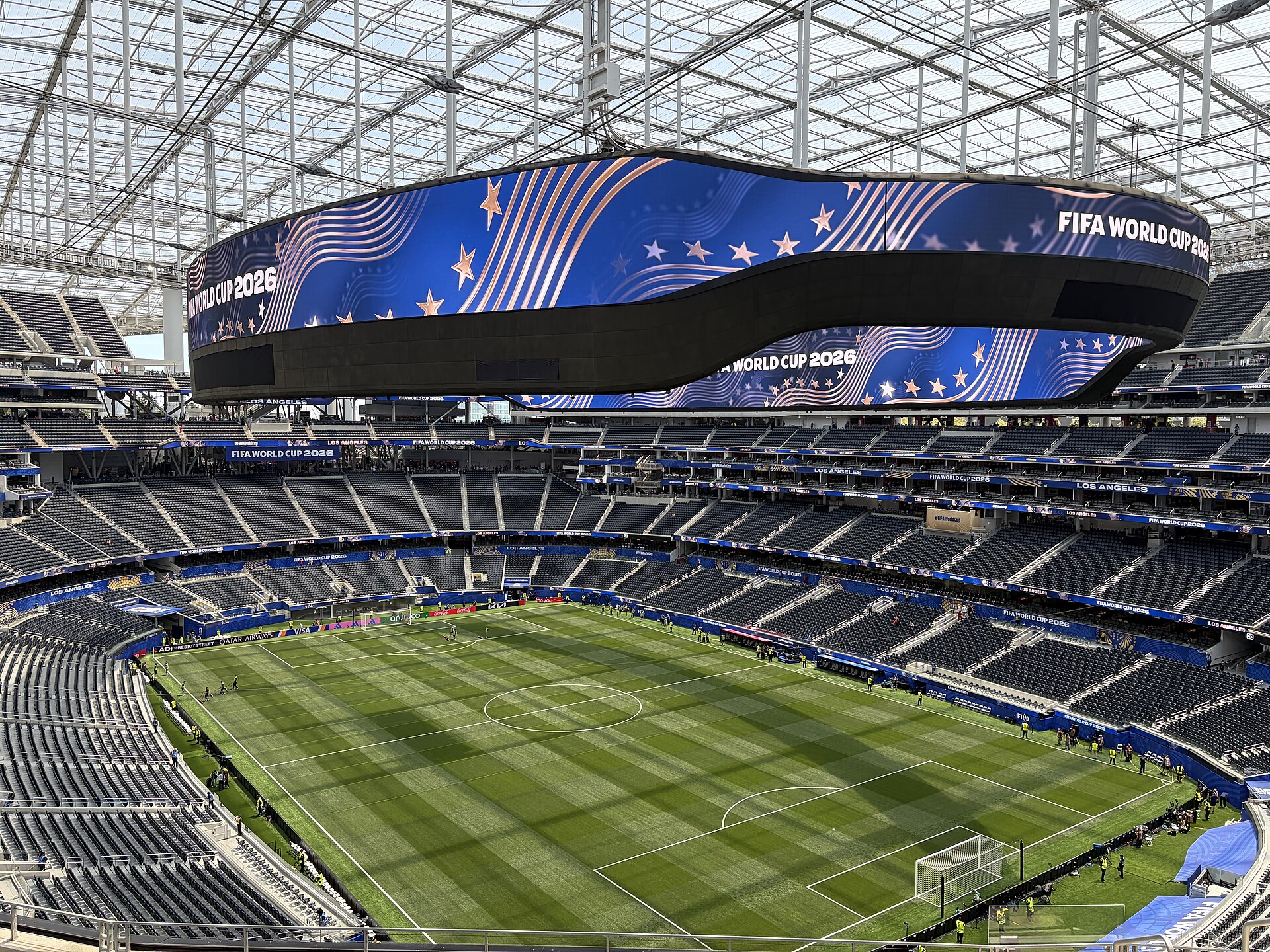
Fifa has confirmed that the 2026 World Cup generated $15bn in revenue, exceeding the governing body's own pre-tournament projections, with the final total still being tallied.
According to reporting by the Times, cited by Guardian Football, roughly a third of that figure - $5bn - came from ticket sales and hospitality packages alone.
That sum is about five times the $929m taken in ticket revenue at the 2022 World Cup in Qatar.
The expanded 48-team format added 40 matches to the schedule this year. Average revenue per match rose from roughly $14.5m in Qatar to about $48m across the tournament held in the United States, Canada and Mexico.
Fifa told the Athletic that total attendance reached 6.8 million, surpassing the previous record of just under 3.6 million set at the 1994 World Cup, also held in the United States.
Higher attendance and revenue translate into larger payouts for Fifa's 211 member associations, each of which holds a vote in the organisation's presidential elections. Fifa president Gianni Infantino faces an election in March.
The financial figures emerged despite several controversies during the build-up and running of the tournament. Guardian Football noted Fifa's tolerance of measures associated with the administration of US president Donald Trump, including visa denials for some fans and journalists, rhetoric around potential immigration enforcement near stadiums, and treatment of Iran's team.
Infantino also faced criticism earlier this year over an attempt to unilaterally sell a portion of the World Cup's commercial rights to private equity investors, a plan that was abandoned.
Guardian Football assessed that the scale of the tournament's financial returns appears to have strengthened Infantino's position heading into the March vote, despite the private equity episode.
Photo credits
File photo (2026). Photo: Alexis Doine · CC0 · via Wikimedia Commons
