
Fifa hands peace prize oversight to social responsibility committee
Fifa has moved its peace prize under a new committee after its inaugural award to Donald Trump drew criticism, with a Guardian Football column arguing a reshaped version could still carry value.
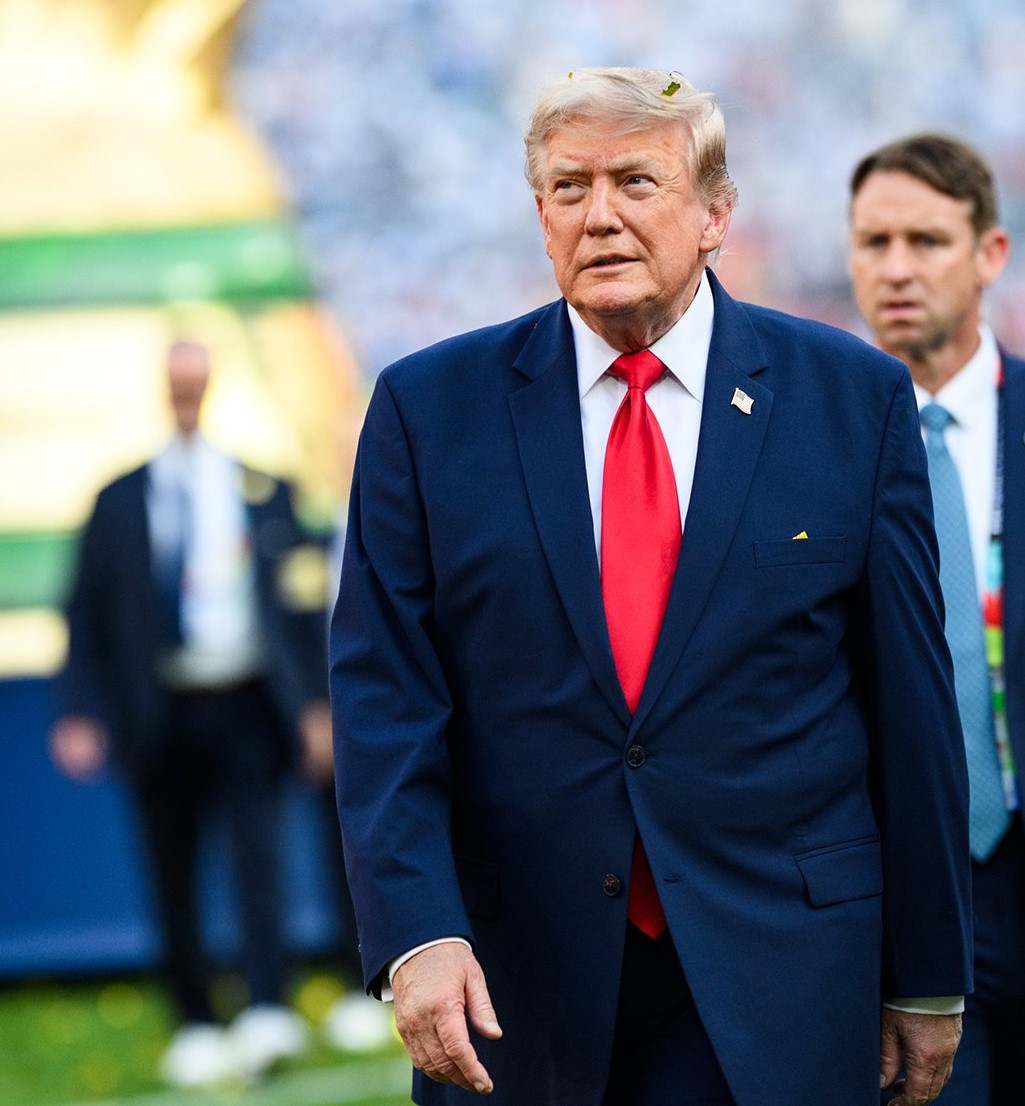
Fifa has placed oversight of its peace prize with the organisation's social responsibility committee, according to reporting by Guardian Football, a move that follows widespread criticism of the award's first presentation.
The prize was given to United States president Donald Trump, who received a large gold trophy and a medal that he placed around his own neck. Guardian Football columnist Leander Schaerlaeckens writes that Fifa president Gianni Infantino created the award to flatter Trump at a time when he needed the president's goodwill to protect revenue from the North American market and shore up his standing within Fifa.
The social responsibility committee has 22 members and is one of dozens of standing committees Infantino has established during his presidency, the column notes. It has been tasked with reshaping the prize into a recognition of social harmony and responsibility, and is expected to move it away from political figures.
Schaerlaeckens writes that there is no obvious autocrat for Fifa to court in the prize's near future, pointing out that Mohammed bin Salman, Saudi Arabia's de facto ruler and host of the 2034 World Cup, has not shown interest in that kind of recognition.
The column argues the original prize stands as a marker of Infantino's overreach, adding that his position could be tested further depending on the fallout from his attempt to privatise part of the World Cup and the outcome of a Fifa presidential election due in March.
Looking ahead, Schaerlaeckens suggests a reworked prize could recognise figures and clubs who have used football's reach for social good. Among those named are Afghan Women United, who played as refugees in exile and contested two friendlies against the Cook Islands in New Zealand in June, losing both, and Ukrainian club Shakhtar Donetsk, who have continued competing despite being displaced from their Donbas home region.
The column also proposes former Spain international Juan Mata, recognised for his work with the Common Goal initiative encouraging footballers and coaches to donate one per cent of their earnings to charity, along with Marcus Rashford, Sadio Mané and N'Golo Kanté for charitable and infrastructure projects in England, Senegal and Mali respectively.
Further suggestions include Scotland's travelling supporters, the Tartan Army, for fundraising for children's charities at matches abroad, and England's national team players, whose charitable donations from match fees since 2007 are said to total more than $6.7m (£5m).
Schaerlaeckens argues any reshaped award should carry clear criteria and should not try to avoid politics altogether, suggesting that a prize meant to honour social good cannot be entirely apolitical if it is to mean anything beyond serving Fifa's own interests.
Photo credits
Photo: The White House. · Public domain · via Wikimedia Commons
