
Fury says he was diagnosed with schizophrenia after Klitschko win
Tyson Fury has disclosed he was diagnosed with schizophrenia and bipolar disorder following his 2015 world title victory over Wladimir Klitschko, ahead of his Cardiff bout with Anthony Joshua.
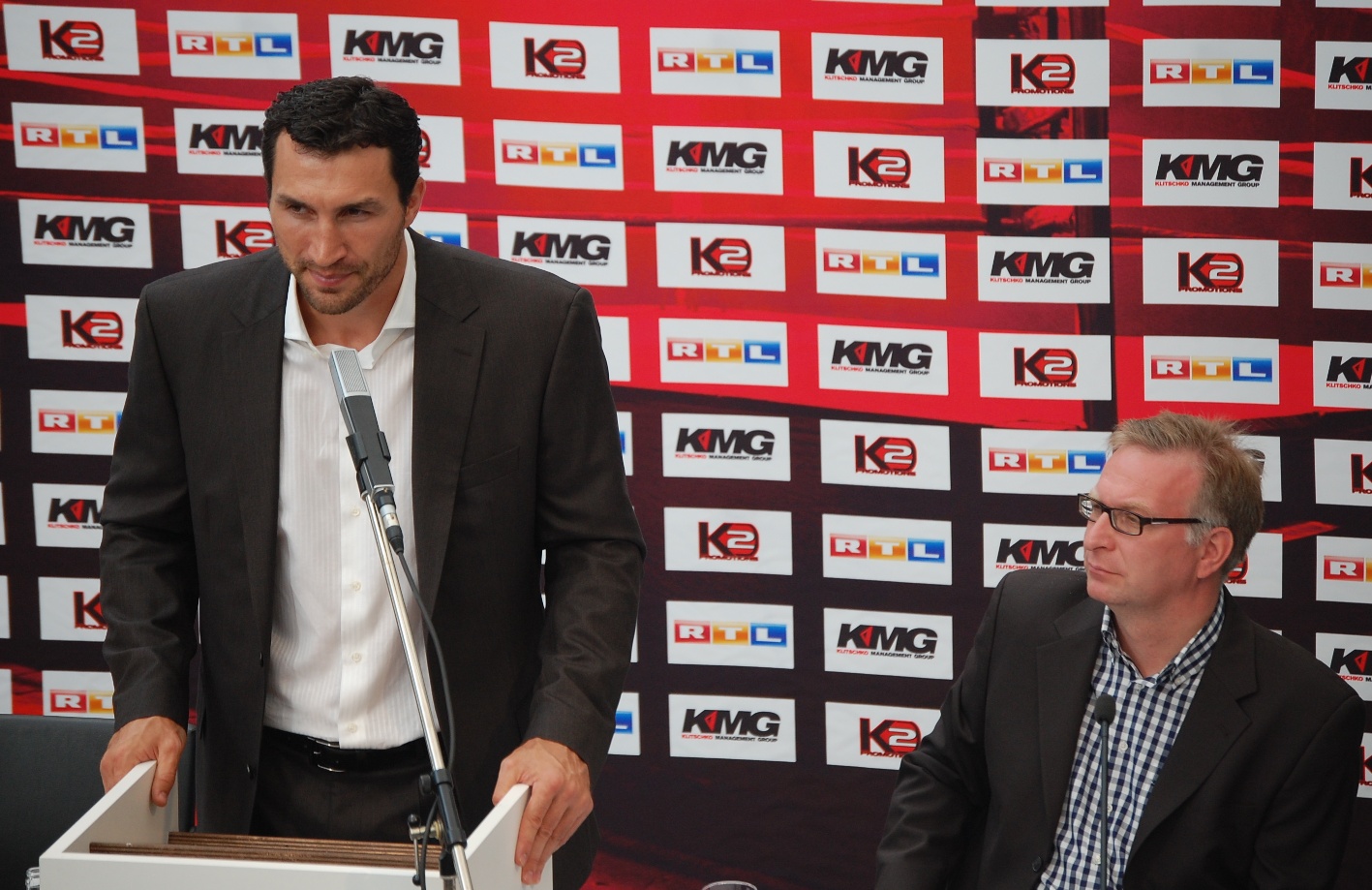
Tyson Fury says he was diagnosed with schizophrenia shortly after beating Wladimir Klitschko for the world heavyweight title in 2015, telling a new Netflix documentary he heard voices threatening to harm him and his family.
The British heavyweight, 38, and his wife Paris describe in the film, due for release on Friday, how the diagnosis followed a hospital admission in June 2016, when doctors initially suspected he had suffered a heart attack, as reported by BBC Boxing.
"Words can't explain the darkness I was in," Fury says. "It was like a living version of the pits of hell. I thought I would end up in a padded room with the door locked, and that scared me so much."
He says a psychiatrist in London diagnosed him with depression, anxiety and bipolar disorder after he described his symptoms, though doctors at the time attributed his hospital admission to an anxiety attack.
Fury recalls hearing the radio speaking to him and pleading with Paris to get him out of hospital because he believed "the Illuminati" wanted him.
Fury says he piled on weight and fell into addiction to drugs and alcohol in the aftermath of the Klitschko fight, to the point that intrusive voices in his head made it difficult to follow a conversation.
He adds that he had no idea where to turn for help, felt he needed rehabilitation, and went years without respite from the condition as he tried to feel what he once considered normal again.
After his release from hospital, doctors confirmed he had both schizophrenia and bipolar disorder. The NHS describes schizophrenia as a form of psychosis that can cause hallucinations, delusions and muddled thoughts and speech, while bipolar disorder's main symptom is extreme changes in mood.
Fury identifies a Halloween night out in 2017 as a turning point, recalling his embarrassment at his appearance in a glow-in-the-dark skeleton costume. "I had the world in my hands and I threw it all away, and now I'm a fat mess addicted to alcohol," he says he thought at the time.
That moment, Fury says, marked the start of a recovery in which he refocused on his family and returned to training, eventually winning another world title against Deontay Wilder in 2020.
Fury is now preparing for a long-awaited all-British heavyweight contest against Anthony Joshua in Cardiff on 11 December, with the fight set to be broadcast live on Netflix.
Photo credits
File photo (2010). Photo: Senator2108 · CC BY-SA 3.0 · via Wikimedia Commons · shown in full here; cropped in thumbnails
