
Seixas repeats safety plea for peloton after Tarling death
French rider Paul Seixas has backed calls for stricter protection measures in professional cycling, months after British rider Finlay Tarling died at the Volta a Portugal.
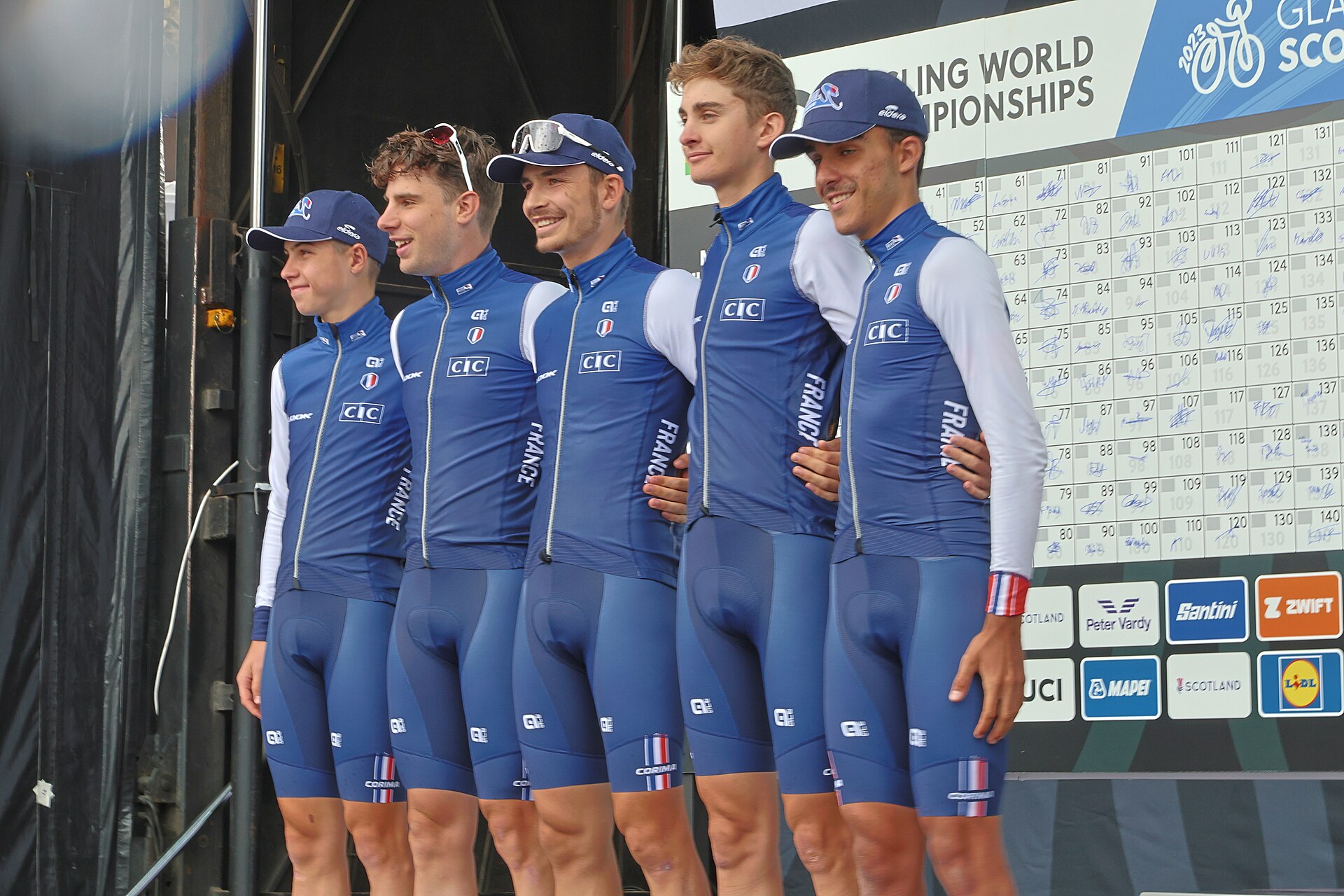
Paul Seixas has added his voice to demands for tighter safety measures in professional cycling following the death of Britain's Finlay Tarling at the Volta a Portugal in August, when the rider was struck by a vehicle unconnected to the race that had strayed onto the course.
Speaking on the Canal+ programme Clique, the young Frenchman echoed comments made by Remco Evenepoel at Il Lombardia, where the peloton staged a five-minute protest before the start of the season's final Monument.
That demonstration followed a run of further incidents involving vehicles on race routes late in the calendar. At Coppa Bernocchi, a DHL delivery driver turned onto the course, while at Tre Valli Varesine a police motorbike struck two riders from the Pinarello Q36.5 team. Both races form part of the Italian Autumn Classics that precede Il Lombardia, the Monument at which Seixas became the youngest-ever winner.
Seixas had raced against Tarling on several occasions as the pair progressed through the junior ranks, including at the junior World Championships and the junior edition of Liège-Bastogne-Liège.
Seixas described Tarling's death as terrible, noting that the British rider was not the only cyclist to have died this year, and said the fact that he had raced against him made the loss weigh on him personally.
Cyclingnews reported that the idea for the Lombardia protest took shape among riders in a WhatsApp group, with Tom Pidcock and Ben Healy driving the initiative. The plan was kept from team managements and the CPA riders' union before coinciding with a joint statement posted across social media.
Seixas said the episode had left a mark on the whole peloton. "I think it really affected everyone, all the riders. That's when you realise that sometimes there are real organisational problems; the organisers do their best, that's not what we're saying, but sometimes there should be more strict standards," he said.
He added: "We protested about it at Lombardia, at the beginning of the race, for five minutes. What happened is extremely serious. Families are affected. It's very serious that it happened during a race. A professional organisation, riders losing their lives; it's frightening."
Describing the mental toll of racing at speed, Seixas said riders carry an awareness of danger that they try not to dwell on, recalling moments on fast descents within the peloton, travelling at around 80 kph, when fear still creeps in.
He said riders understand that everyone around them shares that same caution, which keeps recklessness in check, though nervousness within the bunch can itself create tension and risk.
Seixas said he has avoided serious injury in his own career, limited to scratches rather than fractures or sprains, but argued that while crashes are an accepted part of the sport, a rider losing their life in a race, as happened with Tarling, simply should not happen.
Photo credits
File photo (2023). Photo: Cs-wolves · CC BY-SA 4.0 · via Wikimedia Commons · shown in full here; cropped in thumbnails
