
Island dispute between Bolsonaro and Richarlison shadows Brazil's election
A row over ownership of a Rio coastal island between footballer Richarlison and Flávio Bolsonaro, tipped to win Sunday's presidential vote, has become entangled with Brazilian football's wider political divisions, Guardian Football reports.
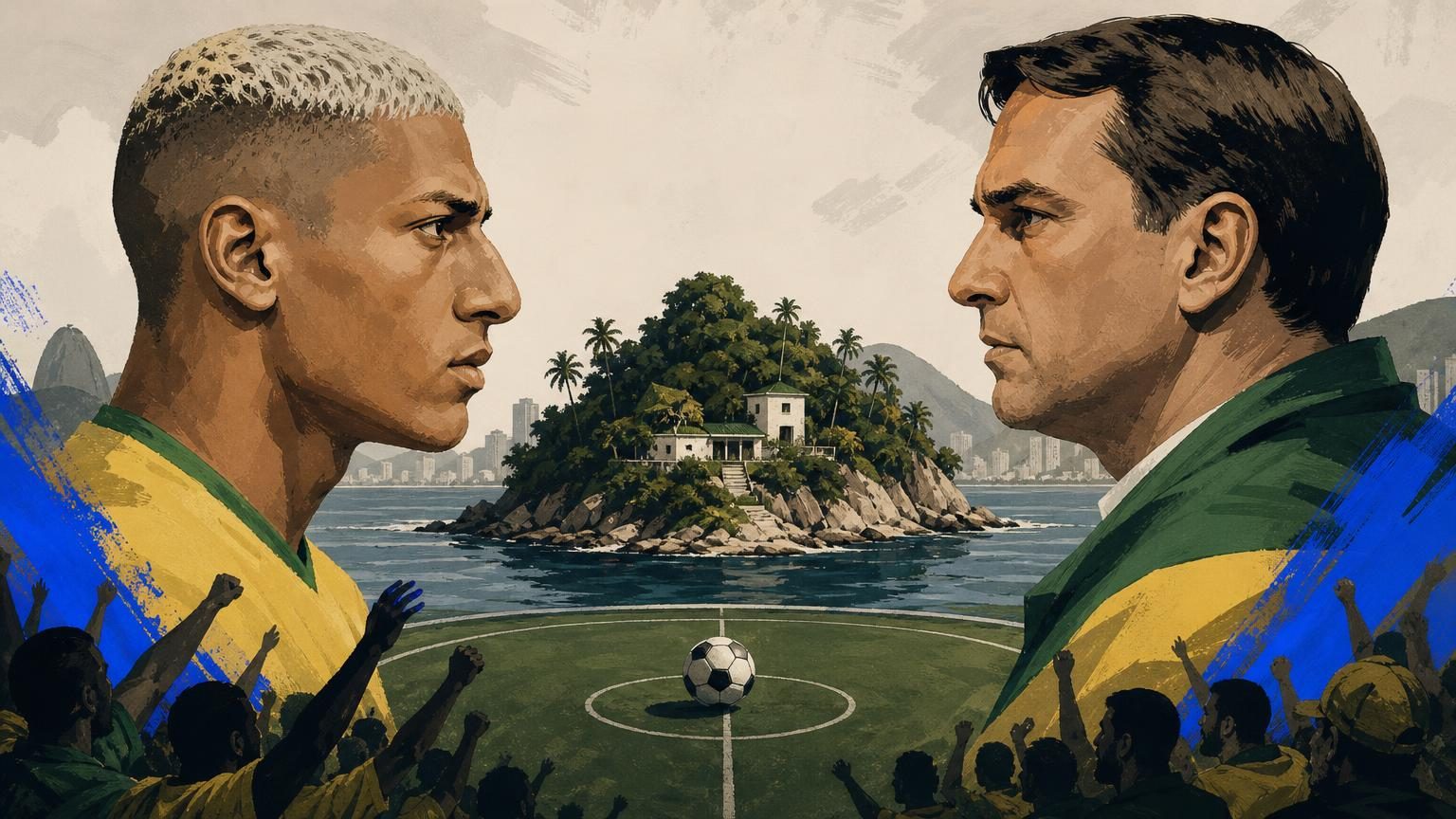
Brazil's presidential election, due to conclude on Sunday, has been shadowed by an unresolved dispute between the Tottenham Hotspur forward Richarlison and Flávio Bolsonaro, the candidate widely tipped to win, over the ownership of a small island off Rio de Janeiro's southern coast.
According to Guardian Football, Richarlison says he bought the island several years ago and holds documents proving it. He alleges that Bolsonaro approached him wanting to buy the property, and that after he turned the offer down, a lawyer named Willer Tomaz arrived and took control of it regardless.
In an Instagram video viewed more than 31 million times, Richarlison said: "These guys took the island without spending a penny, as far as I know."
Tomaz has rejected the claim, saying Richarlison is lying and that he holds a public deed registered with a notary's office. Bolsonaro has denied any link to the island and described Richarlison's comments as "politically motivated", Guardian Football reported.
The row has surfaced in an election cycle marked by contested claims across many fronts, with football repeatedly drawn into the political fray. Flávio's father, the former president Jair Bolsonaro, made the Brazil national team's yellow shirt a visible symbol of his movement, wearing it at rallies, and drew backing from high-profile players including Neymar, Ronaldinho, Rivaldo, Dani Alves, Thiago Silva and Lucas Moura.
That support is linked, Guardian Football notes, to the Bolsonaro family's strong following among evangelical Christians, a community from which 20 of the 26 players in Brazil's squad at this year's World Cup came. Neymar, now playing out his career at Santos, has publicly backed Flávio Bolsonaro in this election.
A separate and more concrete football flashpoint has been the betting industry. President Luiz Inácio Lula da Silva imposed a ban on sports betting last month, angering clubs that rely heavily on gambling sponsorship — 14 of Brazil's 20 top-flight sides carry betting company logos on their shirts, with players such as Neymar and Vinícius Júnior also earning from gambling endorsements.
The Flamengo president, Luiz Eduardo Baptista, complained on a podcast about the financial strain, asking how the club would now be able to pay for midfielder Lucas Paquetá. Bolsonaro has criticised Lula's ban and signalled he could reverse it if elected.
Renan Santos, who was eliminated in the first round of the presidential vote, offered a bleak assessment of the political climate to Guardian Football: "Brazil is now a dystopian place." He added: "People do not talk about public policy. They just create entertainment content about politics."