
Netflix tipped as favourite in bidding war for 2030 World Cup US rights
Fifa has opened a tender for United States broadcast rights to the 2030 World Cup that industry figures expect to fetch between $1.5bn and $2bn, with Netflix seen as the leading contender, Guardian Football reports.
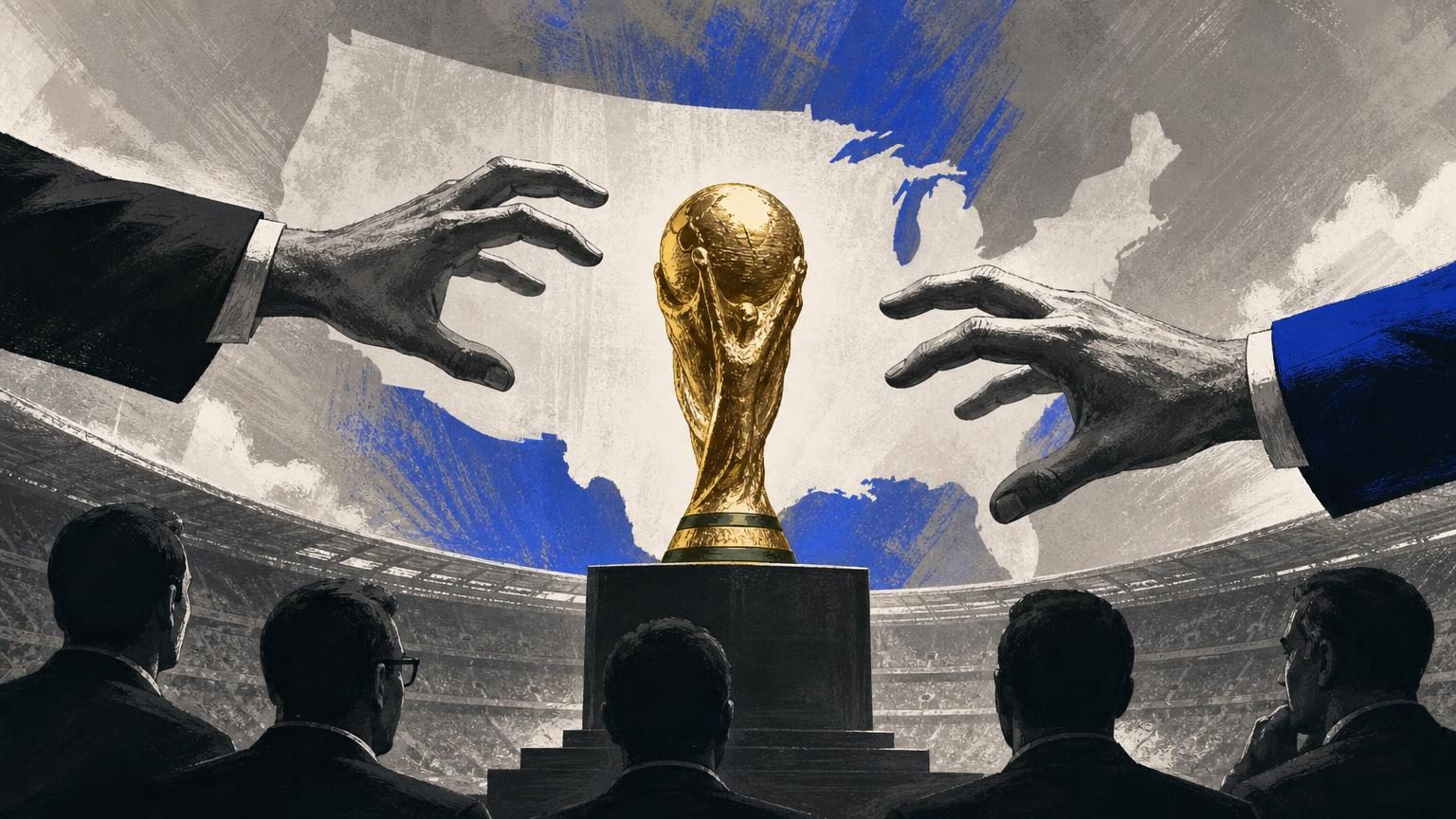
Fifa's auction for the United States television rights to the 2030 World Cup is expected to become the most expensive and competitive in the tournament's history, according to media rights and broadcast experts cited by Guardian Football.
The process stands in contrast to the deal struck for this year's tournament, which was agreed at a reduced price to head off legal action threatened by the existing rights holder, Fox Sports.
First-round bids are due by Thursday, with Netflix, Apple TV, Disney, Amazon, YouTube and Dazn joining established broadcasters Fox, ESPN, NBC Universal and Skydance in submitting offers, multiple sources told Guardian Football. Skydance may be limited by cost-cutting following its $110bn acquisition of Warner Bros Discovery.
One experienced media rights buyer told Guardian Football: "I would put money on Netflix to win – they will pay whatever it takes." The streamer has already secured exclusive US rights to the 2027 and 2031 Women's World Cups.
"There's a huge range of buyers and therefore a broad range of possible outcomes," a broadcasting veteran said. The same source added: "All the media companies and streamers will bid. Fox will find it very challenging to retain the rights."
In a departure from previous practice, Fifa is selling the English- and Spanish-language rights together for the first time, a move seen as favouring a single exclusive buyer and suiting the streaming platforms. Fox paid $485m for exclusive English-language rights to the 2026 tournament, while NBC Universal's Telemundo paid $600m for Spanish-language rights.
The 2030 tournament, co-hosted by Morocco, Spain and Portugal, will carry less favourable kick-off times for American audiences, though demand for major live events has shown little sign of being dented by scheduling. NBC paid around $1.5bn for exclusive rights to the 2024 Paris Olympics and drew average daily audiences above 30 million.
This year's World Cup delivered record figures in the US. Fox's broadcast of Spain's extra-time win over Argentina in the final peaked at 51.685 million viewers, the most-watched soccer telecast in American history, while the average audience across all 104 matches reached 7.7 million, double the figure from the 2022 Qatar World Cup.
Telemundo's coverage, streamed via Peacock, averaged 6 million viewers per match, with Spain v Argentina and Mexico v England peaking above 23 million, the highest figures ever recorded for Spanish-language broadcasts in the US.
Analysis from advertising sales firm Guideline, cited by Guardian Football, showed Fox and Telemundo generated a combined $1.19bn in advertising revenue during the tournament, almost three times the Qatar total and more than their original rights fees. Fox alone brought in $835m, with 30-second advertising slots costing between $200,000 and $750,000, according to the Hollywood Reporter, and hydration breaks worth between $2m and $9m per game.
Fifa is holding the new auction only four months after the US hosted this year's tournament, a timing widely interpreted as an effort to capitalise on that success. The governing body will also look to profit further from the two three-minute hydration breaks introduced in each half last year, which were not part of the 2026 rights package.
Independent media analyst François Godard told Guardian Football that sports advertising carries broader reach than entertainment programming, and that one-off events such as World Cups suit subscription platforms less well than year-round content. He said Fox, as the smallest of the legacy broadcasters, remains heavily reliant on sport and news coverage, but added that competition from streamers in the US sports market is intense, pointing to Netflix, Amazon and YouTube's NFL rights deals and Apple's investment in Formula One as reasons not to rule any bidder out.