
Netcompany Ineos to adopt AI aerodynamics app for 2027 season
The WorldTour team will become the first to formally partner with AiRO, a digital aerodynamics platform that builds virtual 'digital twins' of riders to run simulated wind tunnel tests.
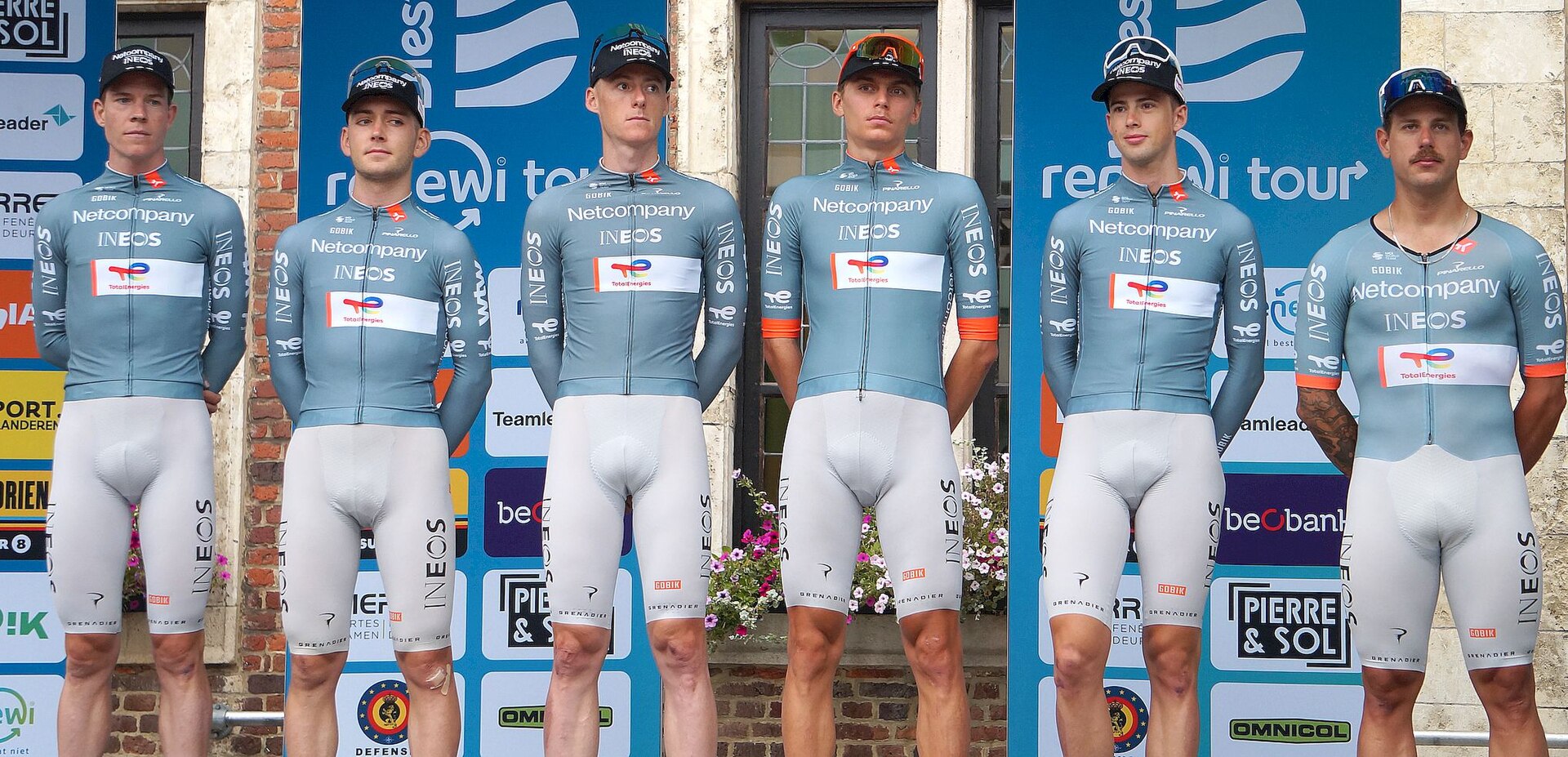
Netcompany Ineos has agreed a partnership with AiRO, a digital aerodynamics app, to support its aero testing programme from the 2027 season, Cyclingnews has reported.
The deal marks the first official team partnership for AiRO, which launched a new artificial intelligence-driven computational fluid dynamics tool called Vayu this week. Cyclingnews understands a fuller announcement of the collaboration will follow next week, with the scope of the partnership still being finalised.
AiRO was founded 14 months ago by Ingmar Jungnickel, who previously worked with Germany's Olympic programme and Specialized's S-Racing division, including on the development of the last-generation Specialized S-Works Venge. The company grew out of a similar project he had developed for the United States speedskating team.
The app, which covers road, gravel, mountain bike and time trial disciplines, is already available to the public through specialist bike fitters at a cost of around $200 per session. It builds a 3D 'digital twin' of a rider from photographs, which can then be used to run aerodynamic experiments such as swapping helmets or altering riding position.
Jungnickel told a group of media, including Cyclingnews, that the Vayu add-on and AI integration could eventually allow more than 20 helmets already scanned into the system to be tested instantly on a single rider across dozens of head positions, equivalent to running over 400 individual wind tunnel tests in one sitting. He described that capability as still under development.
A further function already offered allows more than 100 small adjustments to a rider's position, such as arm or head placement, to be tested simultaneously and ranked by potential aerodynamic gain. Bike fitters can then work with riders to establish whether the best-performing positions are realistically achievable and sustainable.
Jungnickel said his expectation, based on work already done with other teams, is that Netcompany Ineos will use the app alongside conventional wind tunnel sessions to broaden testing across the full roster rather than restricting it to leading riders, without the time and cost that full-squad wind tunnel work would otherwise require.
He added that teams have shown particular interest in testing road bike positions through the platform, which he said are harder to assess repeatably in a wind tunnel or on a velodrome. He also suggested that having digital twins of every rider would let a team explore new position ideas quickly and cheaply without requiring the rider to be physically present, then consult coaches and biomechanics specialists before any change is implemented, reducing the risk of injury from an abrupt switch.
AiRO says it already counts other WorldTour teams among its paying customers, though full details of how Netcompany Ineos will deploy the system are yet to be confirmed.
