
Guardian column probes how Guéhi's faith sits with Manchester City guilty verdict
Barney Ronay's Guardian Football column asks how Marc Guéhi, who has made his Christian faith public on the pitch, reconciles playing for a Manchester City side found guilty of financial charges.
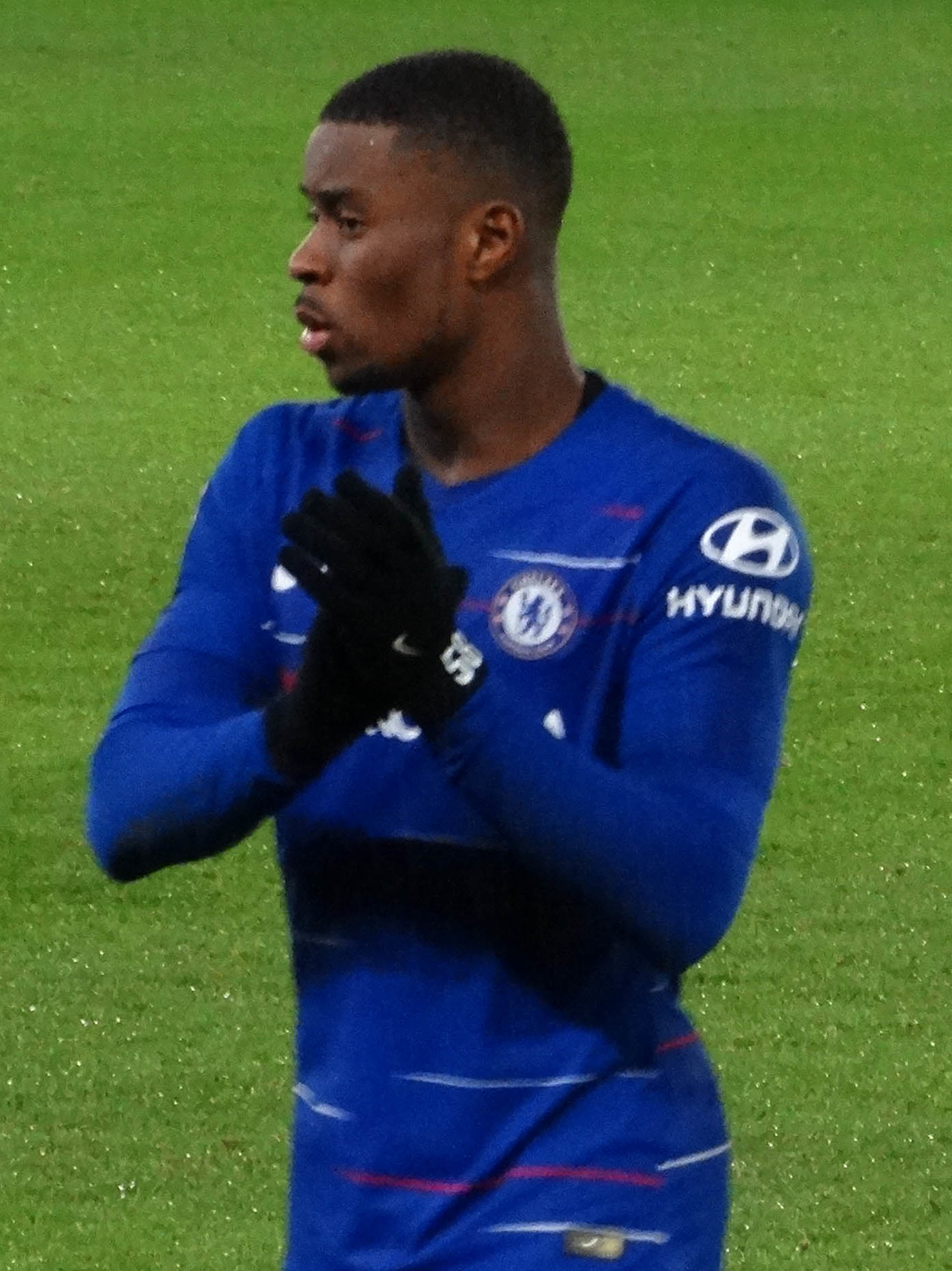
Manchester City's defender Marc Guéhi has become the focus of a Guardian Football column questioning how his outspoken religious principles square with representing a club found guilty of financial charges.
Writing for the Guardian, Barney Ronay notes that City have been "convicted of cheating and lying", a verdict the club is appealing. According to evidence Ronay says has been leaked, the basis of that appeal centres on roughly a billion pounds that entered City's accounts not from the club's owners, the Abu Dhabi United Group, but from the Abu Dhabi government itself.
Ronay points out that Sheikh Mansour bin Zayed al-Nahyan sits within both bodies, raising the question of whether the distinction changes the substance of the finding.
The column frames this against Guéhi's public conduct earlier in the season, when he personalised his support for the Premier League's rainbow armband initiative by adding a reference to Jesus. Ronay describes this as evidence of a player acting on "absolute public principle" and following what he calls "the absolute tenets of his religion".
Ronay then sets that stance against City's guilty finding, quoting two biblical passages he says speak directly to deceit and ill-gotten gain: "No one should transgress and defraud his brother," and "Bread gained by deceit is sweet to a man, but afterward his mouth will be full of gravel." He argues that if Guéhi treats those words as absolute instruction, his continued presence at City poses an unresolved moral question, calling the situation "stolen win bonuses, stolen glory" for those clubs that have abided by the rules City were found to have broken.
The piece also addresses the broader convention in football coverage that players are treated as detached from their clubs' off-field conduct, with Ronay arguing this framing lets footballers avoid being asked to account for institutions they represent.
He uses the example of City's Nico O'Reilly, imagining a player's focus during an international fixture against Croatia to illustrate how total the in-game concentration of elite footballers can be, before arguing that this does not settle the wider question of whether players should be expected to reckon with what their clubs have done.
Ronay stops short of offering Guéhi a resolution, framing the contradiction as one for the player himself to work through while City's appeal against the financial charges verdict continues.
Photo credits
File photo (2018). Photo: @cfcunofficial (Chelsea Debs) London from London, UK · CC BY-SA 2.0 · via Wikimedia Commons · shown in full here; cropped in thumbnails
