
Human rights advocates urge Mamdani to press Arsenal over UAE sponsor
An opinion piece in Guardian Football calls on New York mayor Zohran Mamdani to use his Arsenal fandom to push the club to drop Emirates over the UAE's alleged support for a militia accused of atrocities in Sudan.
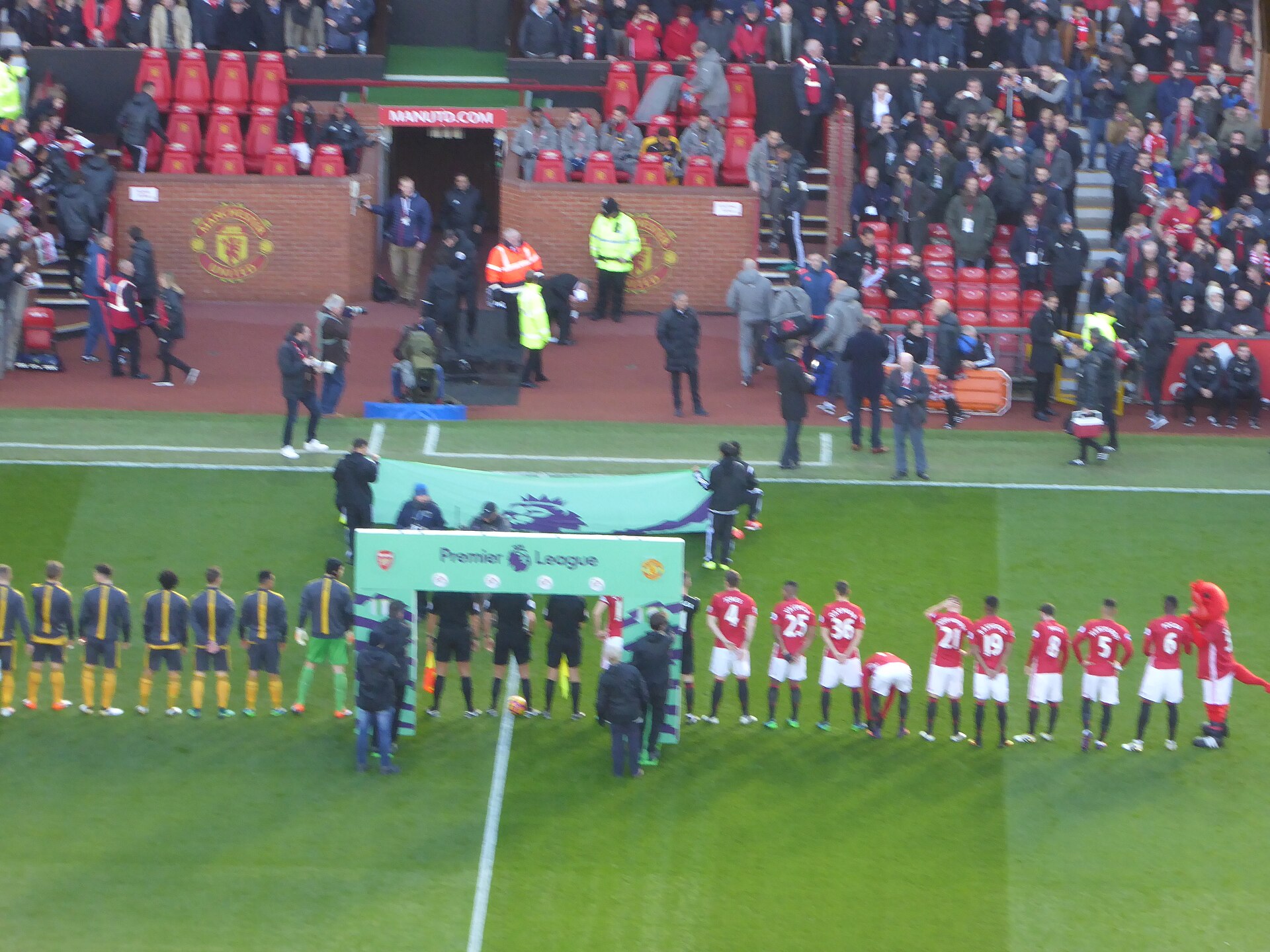
A Guardian Football opinion piece has called on New York mayor Zohran Mamdani to use his profile as a leading Arsenal supporter to pressure the club into dropping its shirt sponsor, Emirates, over the United Arab Emirates' alleged backing of a militia implicated in Sudan's war.
The article, written by Sasha Lezhnev and John Prendergast of the human rights organisation The Sentry, argues that Mamdani's two defining passions - Arsenal and opposing genocide - are now in conflict because of the club's sponsorship arrangement.
Mamdani has made his support for the Premier League champions highly visible since taking office, including lighting the Empire State Building in Arsenal's colours after the title win, writing an essay on what the club means to him, and naming a street near Times Square after club legend Thierry Henry.
Emirates Airlines, part of the state-owned Emirates Group based in Dubai, is Arsenal's principal sponsor and gives its name to the club's stadium in London. According to the authors, the UAE has spent more than $1bn on the Arsenal relationship, with the deal extended through 2033 at more than $100m per season, making the club the UAE's second-largest global sports investment.
The piece cites what it calls numerous investigations identifying the UAE as the largest arms and drone supplier to the Rapid Support Forces, the militia at the centre of a conflict in Sudan that has displaced 14 million people and left 21 million facing acute hunger, according to the figures given by the authors.
Lezhnev and Prendergast say they have calculated that the UAE government has spent more than $5.2bn sponsoring sports teams and competitions worldwide, including Manchester City, the NBA champion New York Knicks, the Emirates NBA Cup and Formula One, describing the spending as a sportswashing campaign.
The authors point to Arsenal's decision last year to end its sleeve sponsorship with Visit Rwanda following that country's invasion of the Democratic Republic of Congo, a move they say followed pressure from the Arsenal Supporters' Trust and a campaign called Gunners for Peace.
They argue Arsenal's American owners, Josh and Stan Kroenke, have previously taken human rights stances, noting their call for a lifetime ban on former Los Angeles Clippers owner Donald Sterling over racist remarks.
The piece notes Arsenal earned a club-record $411m last season after winning the league and reaching the Champions League final, and says the club is reportedly England's most profitable, meaning it does not depend on Emirates revenue.
It also cites alternative sponsorship deals of comparable value, including Snapdragon's agreement with Manchester United and the arrangements Jeep and T-Mobile hold with Juventus and Bayern Munich respectively, as evidence the UAE is not the only viable sponsor for a leading European club.
Lezhnev and Prendergast conclude that a public intervention from Mamdani, whether through private contact with the Kroenkes or a public statement, could carry significant weight given his visibility as an Arsenal supporter and could damage the UAE's broader sportswashing effort.
Photo credits
File photo (2016). Photo: Ardfern · CC BY-SA 4.0 · via Wikimedia Commons · shown in full here; cropped in thumbnails
