
Giro d'Italia 2027 route to tackle Mortirolo twice and revive Gavia and Zoncolan
Organisers RCS have unveiled a 3,418km route for the 2027 Giro d'Italia, built around a double climb of the Mortirolo, a return of the Passo Gavia and two time trials, with the race starting in Trieste on 8 May.
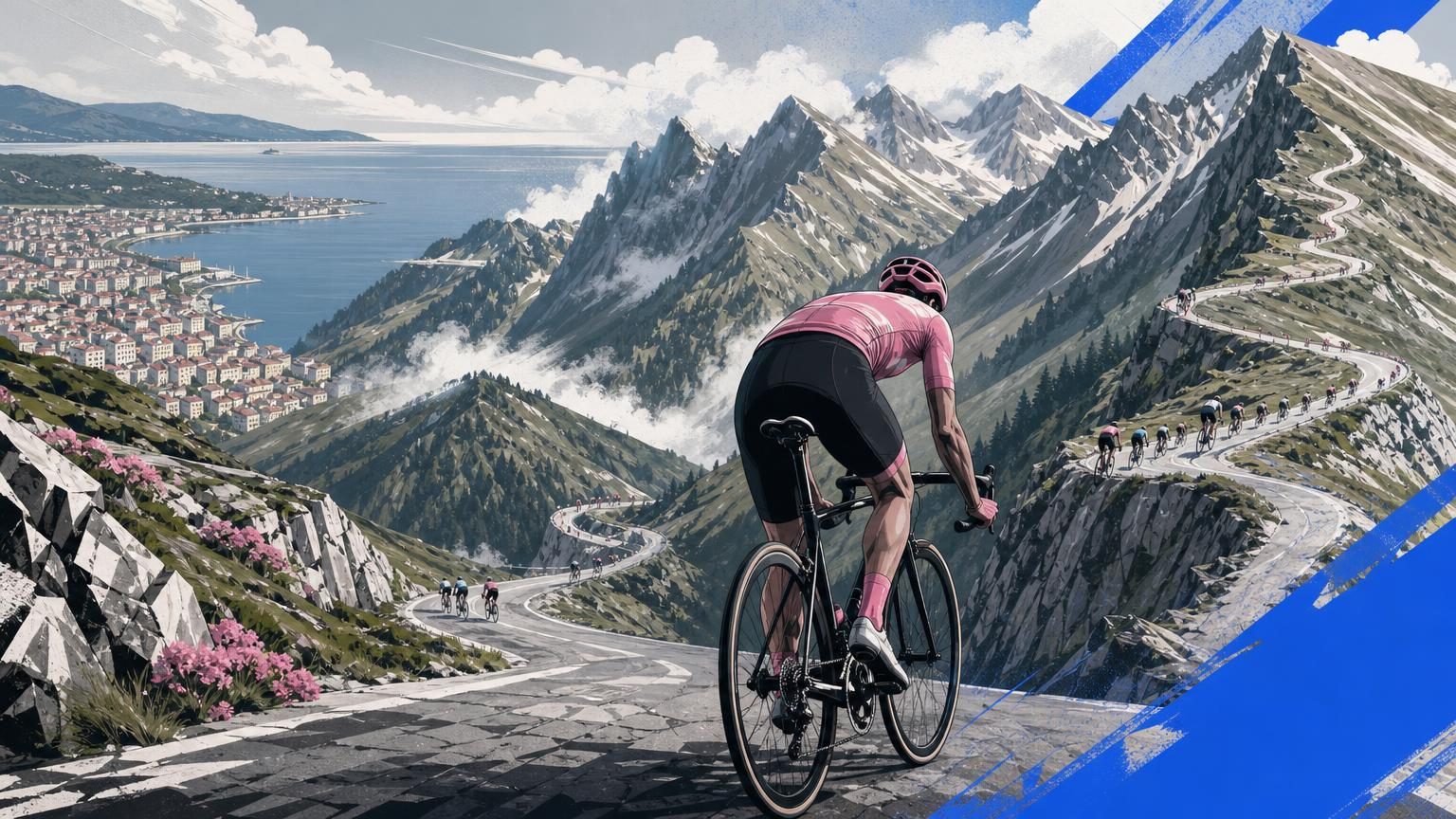
The 2027 Giro d'Italia will begin in Trieste on 8 May and finish in Rome on 30 May, after organisers RCS presented the full route in the Italian capital, Cyclingnews reported.
The 110th edition spans 3,418km across 21 stages, including two rest days, and totals 50,250m of elevation gain, concentrated heavily on the mountains of northern Italy.
Three of the sport's most feared climbs feature among the highlights: the Passo del Mortirolo, climbed twice in the same stage, the Passo Gavia, returning to the route for the first time since 2014, and Monte Zoncolan.
The queen stage, number 16, finishes in Aprica after the double ascent of the Mortirolo, with the Gavia included in the stages around it as the race moves through the Alps.
There are seven summit finishes in total across the Apennines and the Alps, varying in difficulty, giving climbers repeated chances to attack the overall standings.
Two individual time trials will also shape the general classification battle: a mountainous test finishing at Campo di Giove and a flatter effort around the Monza motor racing circuit.
The mix of summit finishes and time-trial kilometres means the race favours a complete rider over a pure climber or specialist against the clock, Cyclingnews noted.
Ten years after Tom Dumoulin became the first rider from his country to win the Giro, organisers may again hope a time-trial specialist can contend, though the mountain stages will test all-round ability.
RCS will be hoping to attract Remco Evenepoel as a headline contender, with defending champion Jonas Vingegaard not expected to start and 2024 winner Tadej Pogačar considered likely to prioritise the Tour de France and the Vuelta a España in 2027, according to Cyclingnews.
Primož Roglič, winner in 2023, has not yet signed for a team for next season and is not regarded as a probable starter either.
Sprinters will find fewer clear opportunities than in some previous editions, with between six and eight stages suited to bunch finishes, many of them complicated by late climbs or uphill kicks that favour puncheurs and breakaway riders.
The race opens with a punchy stage into Trieste featuring three short hills in the final 30km, before stage two is raced entirely in Slovenia from Ljubljana to Koper and stage three finishes uphill in Possagno in the Veneto region.
Stage four brings the first guaranteed sprint finish, at the Misano motorsport circuit on the Adriatic coast, ahead of the first summit finish of the race on stage five at Sarnano Sassotetto, a 13.1km climb averaging 7.4% gradient rated three stars of difficulty by organisers.
Cyclingnews described the route as offering something for most types of rider, noting it is the first Giro route not designed by former race director Mauro Vegni, who retired last year.