
F1 fans weigh up Austin, Miami and Las Vegas as US races multiply
With Lewis Hamilton chasing a first Las Vegas Grand Prix win, fans and insiders tell BBC Formula 1 how the three US races differ in character, climate and cost.
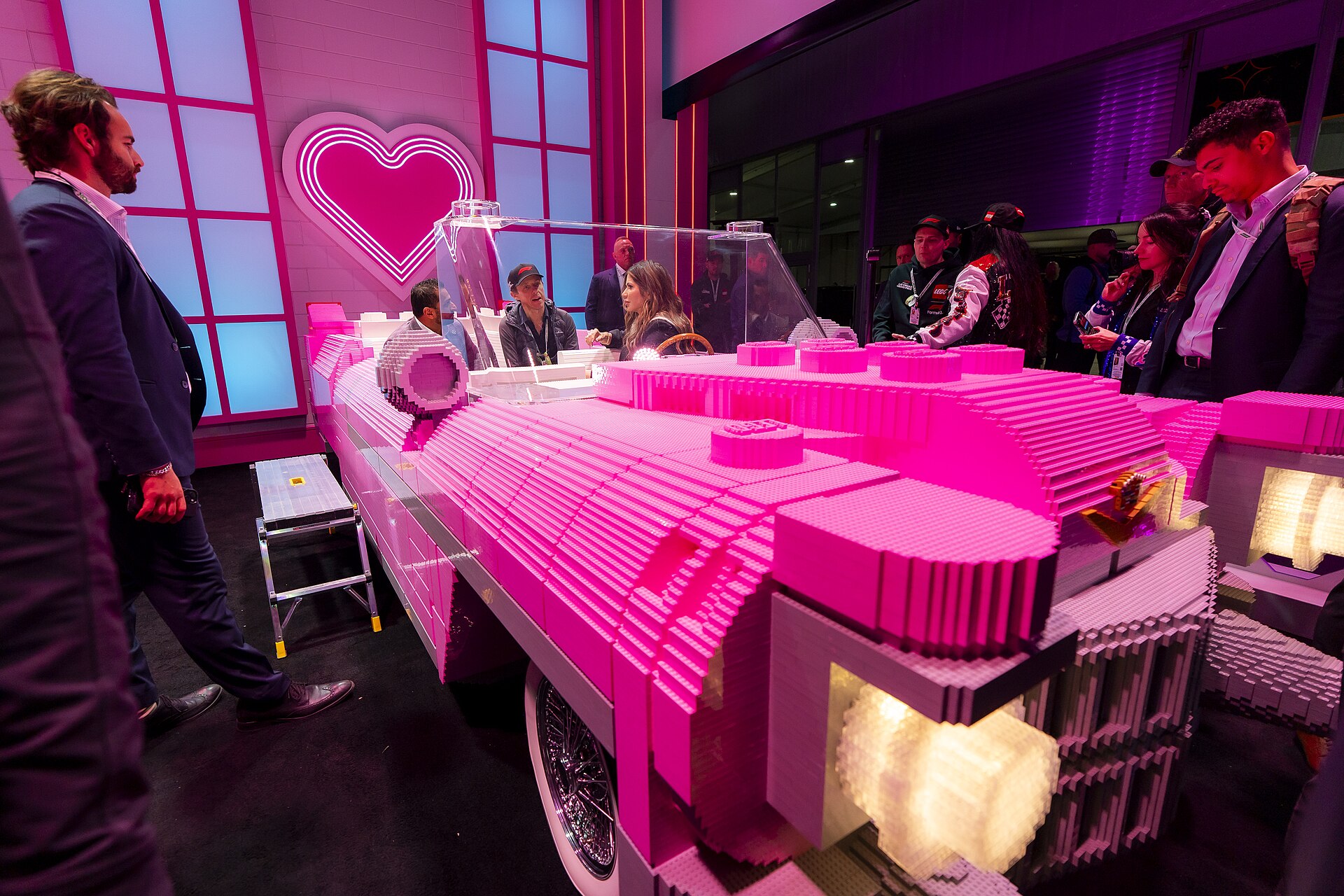
Lewis Hamilton will bid for his maiden Las Vegas Grand Prix victory in the early hours of Sunday, in a race that has become the newest fixture in a trio of American grands prix now reshaping how US fans follow Formula 1, according to BBC Formula 1.
Austin's Circuit of the Americas has hosted the United States Grand Prix since 2012, Miami joined the calendar in 2022 and Las Vegas followed in 2023. All three have since been handed new long-term contracts by owners Liberty Media, who have invested heavily in establishing the sport domestically.
Dallas fan Cadence Kim, a member of the Austin-based ATX GP Club founded by Maria Rodriguez and Julia Wezio, told BBC Formula 1 that following F1 from the United States once meant "accepting a massive barrier to entry" and setting early alarms for races with no natural viewing community.
She said having three home races has turned the sport into something tangible, where fans can walk a track, attend evening parties and meet drivers rather than simply watch a broadcast.
Kim described Las Vegas as a party atmosphere where desert nights turn cold, team hotel partnerships create informal activation zones, and ticketing forces strict trade-offs between trackside views and entertainment elsewhere on the Strip.
She said Austin, by contrast, allows fans to walk almost the entire circuit perimeter and offers an authentic local flavour through Texas barbecue and cowboy hats, while she would not return to Miami unless it became a night race, citing the South Florida heat and recommending visitors treat race days like a multi-day hike.
The 2023 debut race delivered drama from start to finish, as the lead changed five separate times and Charles Leclerc overtook Sergio Perez for second place behind race winner Max Verstappen. F1 had put more than £500 million into buying land for the circuit and marketing the event.
Some residents and businesses in the city objected to the disruption caused to its streets, but Justin Bell, a nine-time Le Mans 24 Hours driver who now hosts a podcast in Las Vegas, told BBC Formula 1 that organisers responded by discounting tickets and working to limit the impact.
"I was telling people, 'just wait'. It's like a big piece of Ikea furniture – once you do it once, it's so much quicker and more efficient the next time," Bell said.
He added that Las Vegas exists to entertain visitors and that the economic benefits likely outweigh the drawbacks for almost everyone involved.
Figures from the 2024 race put the economic impact on the Southern Nevada region at $3.2 billion across the first three years; the 175,000 visitors from outside Las Vegas each spent close to $2,400 on activities beyond the race itself, on average.
Bell, who hosts the Drive to Wynn podcast from the Wynn resort on the Strip and has previously guided celebrities including Drew Barrymore and Steve Carell around race tracks for the Jay Leno Show, believes Las Vegas is best placed to become America's leading grand prix despite being the newest of the three.
Photo credits
File photo (2025). Photo: DHSgov · Public domain · via Wikimedia Commons
