
Cyclists' Alliance survey finds pay and safety fears across women's peloton
A 2026 rider survey by The Cyclists' Alliance finds most Continental-level women's cyclists go unpaid and face limited medical access, prompting calls for the UCI to strengthen contract rules.
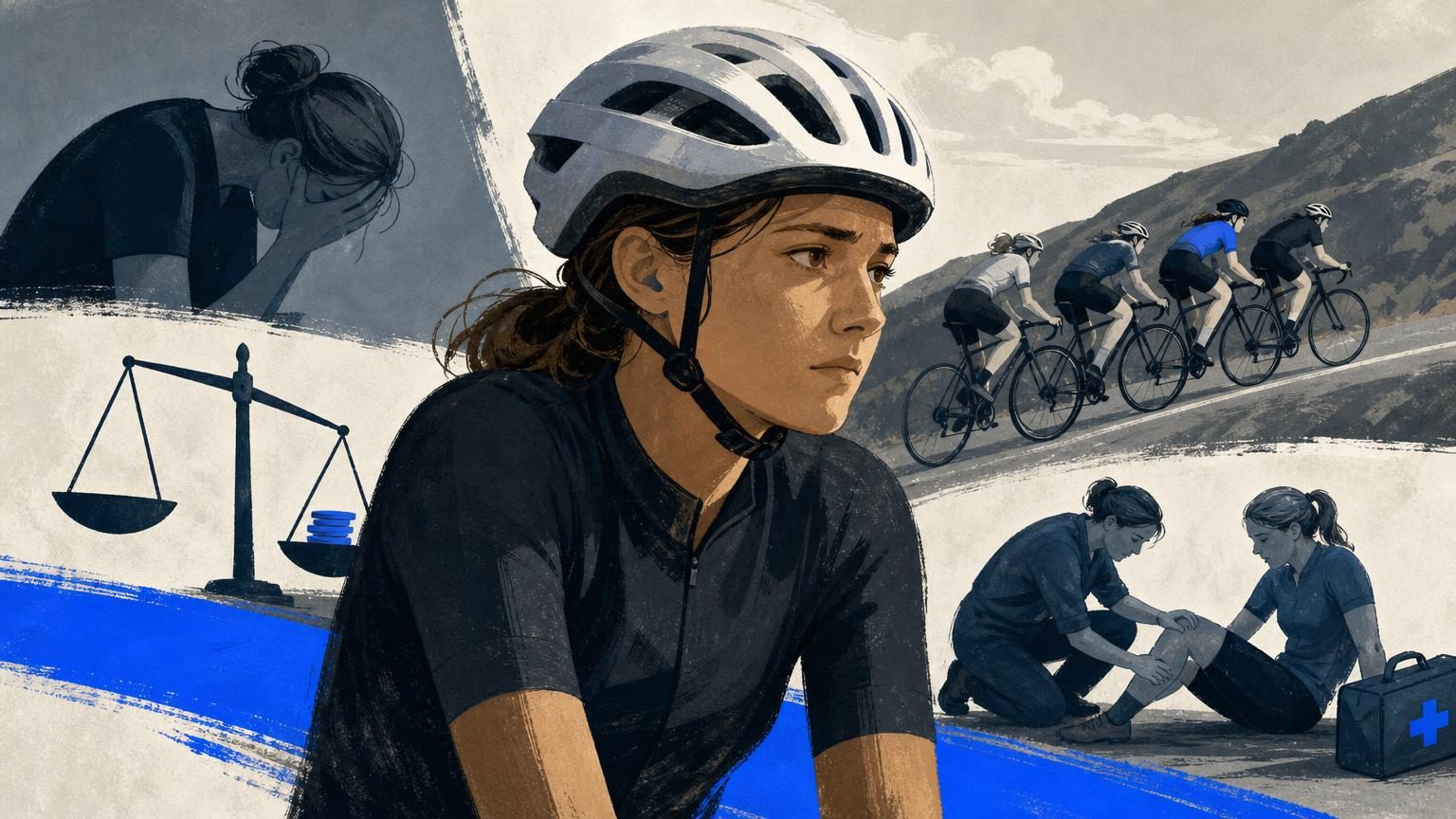
The Cyclists' Alliance, a labour organisation representing professional women cyclists, has published survey findings showing widespread financial and welfare concerns among riders below the top tier of the sport.
The 'State of the Professional Women's Peloton 2026' report drew responses from 127 riders, 118 of them road cyclists, according to Cyclingnews. The organisation said the sport is creating opportunities but still leaves riders short of the financial security, care and development pathways they need.
Among Continental-level riders, who compete one tier below the Women's WorldTour, 75% of the 52 who responded said they receive no salary from their team, and 52% reported travel costs that go uncovered. Financial pressure was cited by 73% of Continental riders as the main reason they had considered leaving the sport.
The Cyclists' Alliance has called on cycling's governing body, the UCI, to revise its model contract so that riders' essential racing costs are guaranteed and to verify that teams can meet their financial commitments.
TCA legal and ethics officer Judith van Maanen said a contract covers more than pay alone. "A contract is about more than salary. Riders need to know what protection they have, and where the gaps are; if they face injury, pregnancy, illness or a change in their team's plans. TCA members can access independent contract and legal advice before signing and when problems arise," she said.
Safety was another leading concern, with more than 60% of respondents pointing to road furniture, rider behaviour, poor surfaces and unsafe finishing straights as risks during races.
Access to medical care varies sharply by level: only 17% of Continental respondents reported regular medical screening, compared with 90% of those racing in the Women's WorldTour. Almost a quarter of respondents, 23%, said negative or toxic team environments had factored into thoughts of quitting.
The Cyclists' Alliance wants the UCI to introduce mandatory screening for Relative Energy Deficiency in Sport, safeguards for riders returning from injury, more research into the specific health needs of female riders, confidential independent support services, and tighter verification of staff qualifications and safeguarding credentials.
On reporting concerns, Van Maanen said riders need not wait for a situation to escalate. "You don't have to wait until something becomes misconduct to ask for help. If a comment, request or relationship makes you uncomfortable, or simply doesn't feel right, talk to us to understand the situation, your boundaries and your options. You will be listened to," she said.
Development pathways were also flagged as a concern, with the cancellation of the 2026 Tour de l'Avenir Femmes and the downgrading of several races from category 1.2 to 1.1 cited as examples of narrowing routes into the top level of the sport.
Broadcast coverage of marquee events such as the Tour de France Femmes and Paris-Roubaix Femmes was raised by 49% of respondents, who linked fuller television exposure to larger audiences, greater sponsor interest and increased investment in the women's game.