
2027 Tour de France route loads up on time trials to temper Pogačar
The route unveiled in Paris trims high-altitude climbing and restores time-trial kilometres not seen since Bradley Wiggins's 2012 win, in what Cyclingnews describes as organisers' attempt to rein in Tadej Pogačar's dominance.
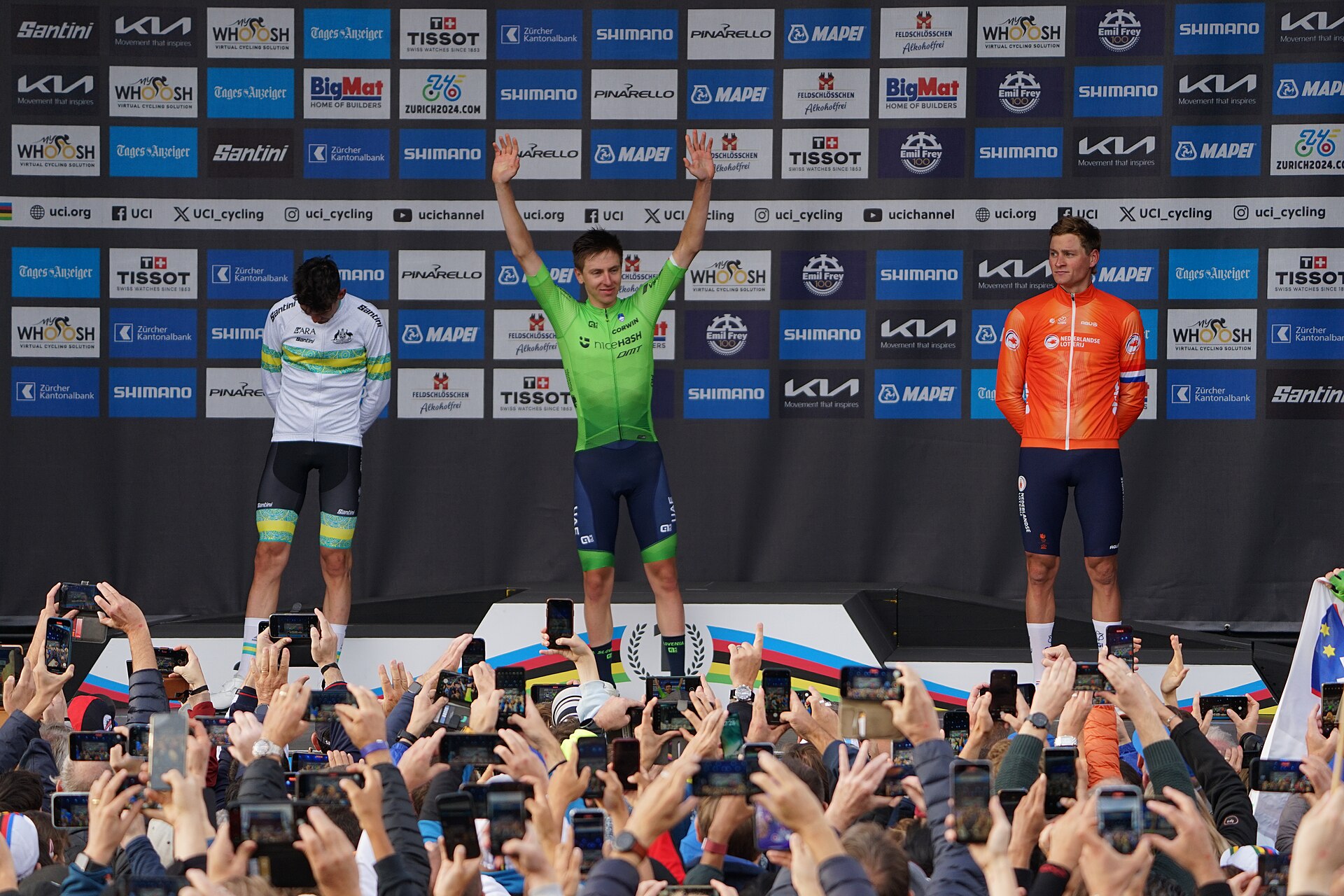
Organisers of the Tour de France unveiled a 2027 route in Paris that sharply increases time-trial distance while cutting back on high mountains, a shift Cyclingnews says reflects growing unease at race headquarters over Tadej Pogačar's grip on the event.
The route has been labelled 'anti-Pogačar' by some observers, though Cyclingnews argues no such route can realistically exist, given the Slovenian's record. Pogačar has now won five editions, equalling the record, with each victory more commanding than the last.
This year's dominance was so complete that Pogačar spent the second half of the race effectively working for his third-placed UAE Team Emirates teammate, Isaac del Toro, having already secured the yellow jersey. Jonas Vingegaard's serious challenges to him, Cyclingnews notes, now date back three years.
The 2026 route had been promoted as a 'Tour of Suspense', built around a finale on Alpe d'Huez, but Pogačar had the general classification effectively settled by stage six, with attempts to soften the early Col du Tourmalet instead making that stage harder.
For 2027, the race will not climb above 1,750 metres until stage 18, a Pyrenean stage taking in the Soulor, the Tourmalet and the Hourquette d'Ancizan before finishing on the Col du Portet. It is only the second genuine summit finish in the entire three-week race.
The Alps, which have featured heavily in recent editions, are reduced to stages such as the World Championships-style stage 10 and a stage 11 combination of the Col du Pré and the Montée de Bisanne. The Pyrenees get two stages in total. The Jura provides the race's first summit finish on the Grand Colombier on stage 9, while a stage 14 route through the Massif Central is tougher than its profile suggests but remains medium-mountain terrain.
In place of altitude, the route restores 71km of time trialling, the most in a single Tour since Bradley Wiggins, then world time-trial champion, won the race in 2012. Cyclingnews describes this as a reversal of a decade-long ASO policy of limiting time trials, a trend that began as a reaction to Team Sky's dominance through Wiggins, Chris Froome and Geraint Thomas but persisted even into the Pogačar-Vingegaard era.
The change favours this year's runner-up, Remco Evenepoel, the world's leading time triallist. Cyclingnews points out that while Evenepoel could take a minute or two out of Pogačar against the clock, he was beaten by more than six minutes over this year's Tour, even with Pogačar easing off at points.
The publication's assessment is that organisers cannot fully neutralise Pogačar but have made a bolder attempt than before to narrow the gap between him and his rivals by rebalancing the route away from pure climbing.
Cyclingnews frames ASO's relationship with Pogačar as 'love-hate': frustration at the lack of suspense he creates by winning so comfortably, set against enthusiasm for the entertainment he provides elsewhere, including his repeated willingness to attack on the Montmartre climb during the revamped final stage into Paris in each of the last two editions.
Photo credits
File photo (2024). Photo: Albinfo · CC BY-SA 4.0 · via Wikimedia Commons · shown in full here; cropped in thumbnails
